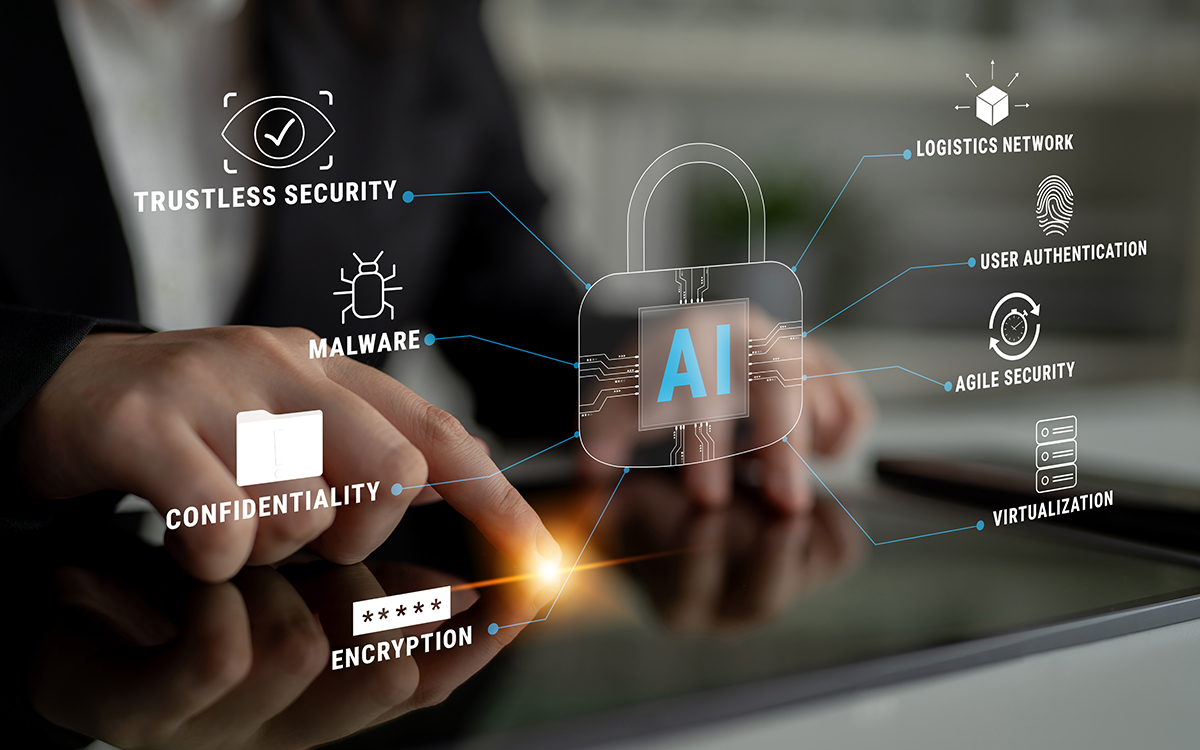
Quick answer: Proactive threat detection identifies cyber risks before they disrupt operations, rather than reacting after an attack happens. For telecoms, retail, banking, healthcare, and other data-heavy industries, outsourcing this function to a partner like Inspiro brings 24/7 monitoring, faster response times, and lower costs than building an in-house team from scratch.
Cyberattacks don’t wait for business hours, and neither should your defenses. As digital services expand across every industry, from banking apps to hospital records systems, the question isn’t whether your business will face a threat. It’s whether you’ll catch it before it causes damage.
This is where proactive threat detection comes in. Rather than waiting to respond after a breach, this approach identifies suspicious activity early, often before it becomes a full-blown incident. For companies managing sensitive customer data at scale, that difference can protect both revenue and reputation.
Why Proactive Threat Detection Matters for Your Business
So, why do you need proactive threat detection? The short answer: because attackers are getting faster, smarter, and more organized.
Michael Ignacio, Inspiro’s Vice President of Information Security and Data Privacy, has seen this firsthand. “We’re up against highly organized networks of cybercriminals, intricate syndicates, and sometimes nation-state actors,” he explains. Understanding your soft spots, rather than guessing what comes next, is the better starting point for defense.
Artificial intelligence is changing how that defense works. According to Ignacio, AI sharpens detection tools and makes threat hunting easier because “its self-learning capabilities allow it to catch threats that might slip past a human analyst.” This cuts down on false positives and speeds up response times, two factors that matter enormously when every minute of exposure adds risk.
Do you need proactive threat detection if you already have a reactive security team? Reactive measures catch problems after damage starts. Proactive detection catches them earlier, which means less downtime, fewer compliance headaches, and more trust preserved with your customers.
How Outsourced Proactive Threat Detection Helps Key Industries
Every industry faces its own version of this risk. Telecoms and mobility providers manage massive volumes of customer data across networks that never stop running. Retail and e-commerce brands face heightened exposure during peak shopping seasons, when transaction volume spikes and attackers know fraud is harder to spot. Travel and hospitality companies handle payment data across multiple booking channels, often in real time.
Banking, financial services, and fintech brands operate under some of the strictest regulatory requirements anywhere, where a single breach can trigger fines and legal action. Healthcare organizations protect patient records that are both highly valuable and highly regulated. Media, energy, utilities, and technology companies each carry their own mix of intellectual property, infrastructure, and customer data worth protecting.
Outsourcing proactive threat detection gives these industries access to 24/7 multilingual support and specialized monitoring teams without the cost of building that capability internally. This is a core part of the Information Security Services under Inspiro’s Business Process Services, designed to scale with seasonal demand and support operations across multiple geographies at once.
The Real Business Value of Proactive Threat Detection
For senior decision-makers, the value isn’t abstract. It shows up in measurable outcomes.
Faster detection means faster containment, which limits the operational disruption a breach can cause. Ignacio points to his team’s response during the WannaCry ransomware attack in 2017 as an example: prepared vulnerability management and rapid response protocols helped the organization avoid the chaos many others experienced that year.
Cost efficiency is another factor. Building a round-the-clock security operations center in-house requires specialized staff, continuous training, and expensive tooling. Partnering with a provider that already has this infrastructure in place reduces that burden while still delivering strong coverage.
Customer trust, though harder to quantify, matters just as much. As Ignacio puts it, protecting data is “at the core of everything” in the business process outsourcing sector, because customers are increasingly aware of how their information gets handled. Businesses that can demonstrate strong security practices, including how managed security services prevent costly data breaches, build stronger relationships with the customers they serve.
What to Look for in a Threat Detection Partner
Not every security partner offers the same depth of support. Look for a provider with proven certifications, such as ISO 27001, along with a track record across your specific industry. Ask how they measure success, since the strongest partners track metrics like detection speed and response time rather than vague promises.
Multilingual, 24/7 coverage matters too, especially if your business operates across multiple regions or time zones. And make sure the partner’s security strategy integrates with your broader business goals, not just technical risk management in isolation.
Protect Your Business Before Threats Strike
Proactive threat detection gives modern businesses a way to stay ahead of attackers rather than scrambling to catch up after an incident. Across telecoms, retail, banking, healthcare, and beyond, the organizations that invest in this capability protect both their operations and their customer relationships.
Ready to see how proactive threat detection can fit into your security strategy? Connect with Inspiro to talk through your organization’s specific needs.